
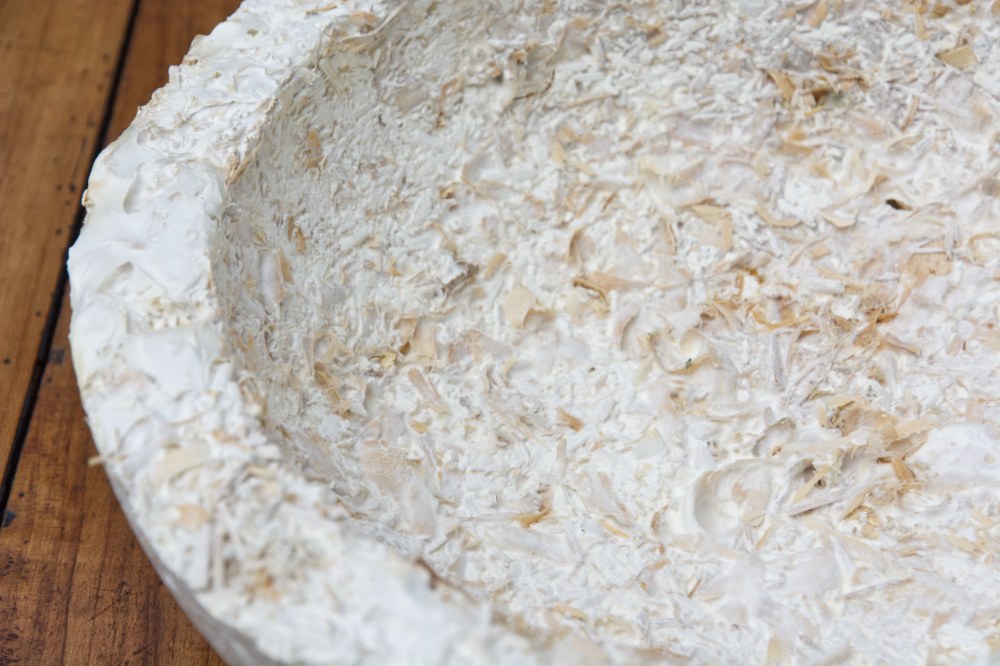
Some materials look sustainable. Mycelium packaging feels it. Pick up a mycelium insert and you notice a soft, velvety surface, a light weight and a warm, stone-like colour. For cosmetics brands, it is a rare combination: a material that protects glass as well as foam, looks more premium than a plastic tray, and can be composted at home after use. This guide explains how mycelium packaging for cosmetics works and where it fits best.
Key takeaways
- Mycelium is the root network of fungi. Grown through agricultural residue in a mould, it binds the residue into a firm, light, custom shape.
- It offers about 3× the shock absorption of EPS at equivalent density, is water-resistant and is home compostable.
- It suits serums, creams, compacts, perfumes, kits and gift sets, especially where the insert is visible in the unboxing.
- Cost depends on shape, size and volume; fewer breakages and smaller boxes often balance the unit price.
What is mycelium packaging?
Mycelium is the network of fine, thread-like roots (hyphae) that fungi use to grow and feed. In nature it binds soil and leaf litter together. In packaging, we use that binding power on purpose.
At Dharaksha, the process looks like this:
- Residue. Agricultural residue, such as paddy straw that might otherwise be burned, is cleaned and prepared.
- Colonisation. The residue is inoculated with a mycelium culture and placed in a mould shaped like your product.
- Mesh. Over several days, the hyphae weave a dense 3D mesh through the residue, binding it into the shape of the mould.
- Block. The grown form is removed from the mould and dried. Drying stops the growth, so the finished insert is inert and stable.
- Finish. The result is a firm, light insert with a velvety, water-resistant surface.
Because it is grown in a mould, every insert matches your bottle, jar or compact precisely. And because the process is machinised and instrumented, every batch is consistent.

Why beauty brands are choosing mycelium
It protects glass
Cosmetics are often packed in glass: dropper bottles, cream jars, perfume flacons. Mycelium offers about 3× the shock absorption of EPS at equivalent density, and each design is drop-tested before production.
It looks and feels premium
The natural texture and earthy tone set off glass, metal and paper finishes beautifully. Customers often comment on the feel of the insert before they even reach the product.
It is plastic-free and compostable
Mycelium is plant-based. After use, customers can break the insert into pieces and add it to a home compost bin or garden soil, where it breaks down in about 60 days.
It tells a story
A material grown from farm residue that might otherwise be burned is a story customers remember and share.
How mycelium compares with other cosmetic inserts
| Material | Protection | Look and feel | End of life |
|---|---|---|---|
| Mycelium | High, custom-moulded | Velvety, natural, premium | Home compostable |
| EPS (thermocol) | High | Plain white foam | Low recycling rates, persists for centuries |
| PET or PVC tray | Medium, holds position | Shiny plastic | Depends on local plastic recycling |
| PU foam | High | Soft, synthetic | Limited recycling options |
| Moulded pulp | Medium to high | Paper texture, simpler detail | Recyclable or compostable |
| Paperboard folds | Low to medium | Clean, simple | Recyclable |
Moulded pulp and paperboard are good options for simpler, lighter products. Mycelium shines when you need precise cavities, real cushioning for glass and a premium finish in the same insert.

Mycelium cosmetic packaging inserts: formats that work
- Single serum or oil cradles inside a slim carton.
- Cream jar seats with a small cavity for a spatula.
- Regimen trays that hold a cleanser, serum and moisturiser side by side.
- Makeup kits with cavities for compacts, lipsticks and brushes.
- Perfume and discovery sets with individual cavities for each miniature.
- Gift hampers mixing bottles, candles and accessories.
Mycelium sits inside paper-based outer boxes: printed monocartons, rigid gift boxes and corrugated shippers. Mycelium inside, paper outside is the simplest plastic-free combination.

What affects mycelium packaging cost?
Founders often ask about mycelium packaging cost. The main factors are:
- Size and weight of the insert. Larger inserts need more material and growing space.
- Complexity of the shape. Deep cavities and fine details need careful mould design.
- Volume. Like most moulded packaging, unit cost falls as volume rises.
- New moulds. A new shape needs a new mould, so standardising bottle sizes across products helps.
The fairest comparison looks at the whole pack. A precise insert reduces breakage and returns, needs less loose filler and can make the outer box smaller, which lowers volumetric weight and courier costs.
Biodegradable packaging for cosmetics: telling customers
Make it easy for customers to do the right thing:
- Print a short note on the box or a card: “This insert is grown from farm residue. Break it up and compost it.”
- Use simple icons for each part: insert, compost; box, recycle with paper; bottle, recycle with glass.
- Share a short video of the material on your product page or social channels.
Common questions from beauty teams
Will it shed dust or fibres on my product? The finished surface is smooth and velvety, and the insert sits around sealed containers, so it does not touch the formula.
Is it stable in humid weather? Mycelium is water-resistant and suits Indian conditions. As with any natural material, store stock in a dry warehouse.
Can it be branded? Yes. A logo can be moulded into the insert surface, and the outer box carries your full branding.
About Dharaksha
Dharaksha Ecosolutions is India’s largest mycelium packaging manufacturer, with production in Faridabad. Brands such as Dabur, Havells and V-Guard work with us, and we supply cosmetic, fragrance and gifting inserts alongside printed monocartons, rigid boxes and corrugated shippers. See our mycelium inserts for luxury and beauty, the full packaging range, or read 7 myths about mushroom packaging.
Frequently asked questions
It is a plant-based insert or tray, grown from agricultural residue bound by mycelium in a mould shaped like the cosmetic product. It protects bottles and jars, looks premium and can be composted at home.
It is made from mycelium, the root network of fungi, grown through farm residue. It is dried after growing, so the finished insert is inert and does not grow further.
Yes. It offers about 3× the shock absorption of EPS at equivalent density, and each design is drop-tested before production.
Cost depends on the size and shape of the insert and on your volumes. Fewer breakages, less filler and smaller boxes often balance the unit price. Share your product details for a quote.
Mycelium grows through farm residue inside a mould shaped like your product, binding it into a firm cradle. After drying, it protects the bottle in transit and can be composted after use.
Related reading
Work with Dharaksha
Curious how your products would look in mycelium?
Send us your bottles, jars or kit, and we will mould an insert, drop-test the pack and send you a free sample to see and feel. Call or WhatsApp +91 92173 09172, or write to us through the contact page.
Leave a Reply