
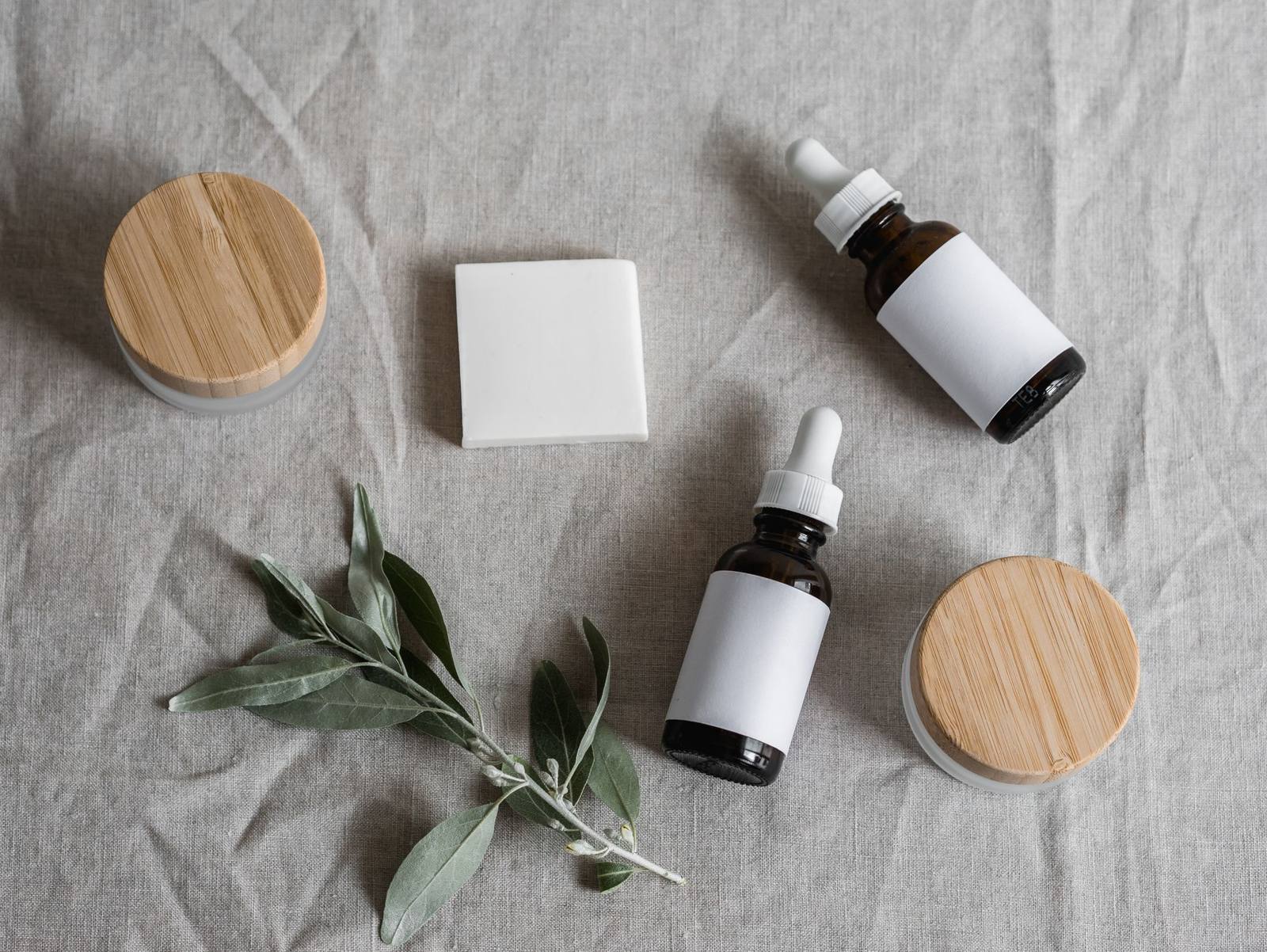
Indian skincare is one of the most exciting D2C categories in the world right now. New brands launch every week with clean formulas, Indian botanicals and beautiful branding. Many of them also want to say “plastic-free”, and customers increasingly notice whether the pack lives up to the label. The good news: plastic-free skincare packaging is achievable for most products if you plan it component by component. This guide shows you how.
Key takeaways
- Start with the parts customers throw away first: inserts, fillers, wraps and mailers. They are the easiest to make plastic-free.
- Glass and aluminium suit most serums, oils and creams; paper and board suit cartons and sleeves.
- Moulded mycelium replaces foam and plastic trays with a premium, compostable insert.
- Cost the whole pack, including breakage and freight, not just the unit price of each part.
Why go plastic-free now?
Three reasons come up again and again when we speak with beauty founders:
- Brand consistency. A clean, natural formula in a plastic-heavy pack is a mixed message. A plastic-free pack makes your values visible.
- Customer expectations. Shoppers share unboxings, and they comment on packaging, good and bad.
- Simpler compliance. Plastic packaging brings extended producer responsibility (EPR) obligations under the Plastic Waste Management Rules. Less plastic means less to track and report.
The plastic-free swap list
Here is how each common skincare component can move away from plastic.
| Component | Common plastic version | Plastic-free swap |
|---|---|---|
| Serum bottle | PET bottle | Amber or frosted glass with a dropper |
| Cream jar | PP or acrylic jar | Glass jar with an aluminium or wooden lid |
| Balm or solid cleanser | Plastic tub | Paper push-up tube or aluminium tin |
| Insert or tray | Foam, PET or PVC tray | Moulded mycelium or moulded pulp |
| Retail carton | Laminated board, PVC window | Paperboard with water-based coating, die-cut window |
| Gift wrap | Shrink film, cellophane | Paper sleeve, cotton ribbon, glassine |
| Void fill | Air pillows, bubble wrap, foam peanuts | Crinkle paper, honeycomb paper, mycelium blocks |
| Mailer | Poly mailer | Corrugated mailer box or kraft envelope |
| Tape | Plastic tape | Paper tape |
A few components, such as pumps, droppers and some closures, still commonly contain plastic or rubber parts. That is fine. Be clear about it, choose recyclable or refillable options where you can, and focus your plastic-free claim on what you have changed.

Eco friendly packaging for skincare products, by product type
Serums and face oils
Glass dropper bottles are the standard. Protect them with a fitted insert so the dropper and neck cannot crack in transit. A mycelium cradle inside a slim carton is both protective and elegant.
Creams and masks
Heavy glass jars feel luxurious but need cushioning. A moulded insert with a cavity for the jar and a smaller one for a spatula keeps everything in place.
Cleansers and toners
Liquids in larger volumes are where plastic is hardest to replace. Aluminium bottles and refill pouches with take-back schemes are good next steps. Make the outer pack plastic-free first.
Kits and regimens
Three-step and five-step regimens are perfect for multi-cavity mycelium trays. Each product sits in its own place, and the kit looks perfectly arranged when opened.
Premium skincare packaging without plastic
Plastic-free does not have to mean plain. Premium finishes that work well with paper and board include:
- Blind embossing and debossing for logos and patterns.
- Water-based soft-touch coatings instead of lamination.
- Small, precise foil details rather than full foil panels.
- Textured, uncoated papers in bone, sand and stone shades.
- A natural mycelium insert, which adds texture and a sense of craft no plastic tray can match.

Skincare packaging in India: shipping without breakage
For D2C brands, the courier journey decides whether the unboxing delights or disappoints. A few simple rules:
- Fit the product in an insert so it cannot move. If it rattles, it can break.
- Leave a small gap between the retail box and the shipper, filled with paper or mycelium corner blocks.
- Choose a corrugated mailer strong enough for your heaviest kit.
- Run a drop test before launch: pack a few boxes and drop them from table height onto a hard floor, on edges and corners.
In summer, heat-sensitive formulas such as some vitamin C serums and probiotic skincare benefit from insulated shipping on long routes. Our cold chain packaging calculator helps estimate what a compostable ice box would need for your route.
A phased plan that works
You do not have to change everything at once. A simple three-phase plan keeps launches on track:
- Phase 1, the outer pack: mailers, tape, void fill and wraps. Quick wins customers notice immediately.
- Phase 2, the presentation: inserts, trays and retail cartons. This is where the unboxing transforms.
- Phase 3, the primary pack: bottles, jars and refills, planned alongside product stability testing.
What it costs
Plastic-free components can cost more per piece at small volumes, but the total cost of the pack often evens out. Fewer breakages mean fewer replacements and returns. A precise insert can reduce box size and volumetric weight. And there is less to buy in loose fillers. Brands also find that a beautiful, plastic-free pack supports a premium price point and earns organic social content.
Questions to ask your supplier
- Can every component in my pack be plastic-free, and which cannot?
- What is the end of life for each part: compost, paper recycling or glass recycling?
- Has the complete pack been drop-tested?
- Can you supply inserts, cartons and shippers together, so they fit perfectly?
- What are the minimum order quantities for a new insert shape?
How Dharaksha helps skincare brands
Dharaksha Ecosolutions is India’s largest mycelium packaging manufacturer, based in Faridabad. We grow skincare inserts and kit trays from agricultural residue, pair them with printed monocartons, rigid boxes and corrugated mailers, and drop-test the complete pack. Explore our premium packaging for cosmetics and fragrance or the full packaging range.
Frequently asked questions
It is skincare packaging that avoids plastic in its components, for example glass bottles, aluminium tins, paperboard cartons, paper wraps and plant-based inserts such as mycelium, shipped in corrugated mailers with paper tape.
Glass is inert, premium and recyclable, and amber glass helps protect light-sensitive formulas. It is heavier and breakable, so pair it with a fitted insert.
Yes. Start with the outer pack, inserts and fillers, which are easy to switch, and cost the whole pack including breakage and freight. Many small brands find the total cost close to their current pack.
Use a fitted insert so the bottle cannot move, add paper or mycelium void fill between the retail box and the shipper, and drop-test the pack before launch.
Use glass or aluminium for the product, a mycelium or pulp insert inside a paperboard box, paper wrap instead of shrink film, and a corrugated mailer with paper tape.
Related reading
Work with Dharaksha
Ready to take plastic out of your skincare pack?
Tell us about your products and we will propose a plastic-free insert and box set, drop-test it and send a free sample. Call or WhatsApp +91 92173 09172, or reach us through the contact page.
Featured photo: Polina ⠀ / Pexels.
Leave a Reply